Manual Deli Slicer Overview
Manual deli slicers offer a traditional method for precisely slicing meats and cheeses, providing consistent results without relying on electricity for operation and control.
What is a Manual Deli Slicer?
A manual deli slicer is a kitchen tool designed for slicing meats, cheeses, and sometimes vegetables, relying on human power rather than an electric motor. Unlike electric models, it features a hand-crank or lever to rotate a blade, offering greater control over slicing speed and thickness.
These slicers are favored for their simplicity, affordability, and ability to deliver consistently thin slices, mimicking professional deli-style results at home. They are a great alternative for those seeking precision and control.
Benefits of Using a Manual Deli Slicer
Manual deli slicers provide several advantages, including cost-effectiveness and independence from electrical outlets. They offer precise control over slice thickness, crucial for achieving desired textures and presentations.
Furthermore, their simpler design often translates to easier cleaning and maintenance compared to electric counterparts. They’re ideal for smaller volumes and users prioritizing control and a traditional slicing experience, delivering consistent, thin slices.
Types of Manual Deli Slicers
Manual deli slicers primarily fall into two categories: flywheel models, requiring physical rotation, and gravity-feed slicers, utilizing a downward slicing motion for ease.
Flywheel Deli Slicers
Flywheel deli slicers feature a large hand-operated wheel that, when turned, powers the blade. These models demand more physical effort but offer excellent control over slicing speed and thickness. They are often favored for their robust construction and ability to handle various meats and cheeses efficiently. The flywheel’s momentum contributes to smoother, more consistent slices, making them a popular choice for those prioritizing precision and a traditional slicing experience.
Gravity-Feed Deli Slicers
Gravity-feed deli slicers utilize gravity to assist in the slicing process, requiring less manual force; Meat is placed on a tray that slides downwards towards the blade as the handle is operated. This design is particularly useful for larger cuts of meat, reducing strain on the user. They are known for their efficiency and ability to deliver consistent slices with minimal effort, making them ideal for frequent use.
Key Features to Consider
Essential features include blade material, slice thickness adjustment, and overall build quality – impacting performance, durability, and the precision of your slicing results.
Blade Material (Stainless Steel vs. Carbon Steel)
Stainless steel blades resist corrosion, are easy to clean, and maintain sharpness well, making them ideal for frequent use and various meats. Carbon steel blades, however, offer superior sharpness and edge retention, allowing for incredibly thin and precise slices.
Though carbon steel requires more diligent care to prevent rust, its slicing performance is often preferred by professionals and serious home cooks seeking ultimate control and quality. Consider your maintenance willingness!
Slice Thickness Adjustment
Precise slice thickness adjustment is a crucial feature of any manual deli slicer. Most models utilize a knob or dial, allowing users to select their desired slice thickness, often measured in fractions of an inch.
A smaller number generally indicates a thinner slice. This control is vital for creating everything from paper-thin prosciutto to substantial roast beef slices, catering to diverse culinary needs and preferences.
Build Quality and Durability
Robust build quality is paramount for a long-lasting manual deli slicer. Look for models constructed with heavy-duty materials like stainless steel or cast aluminum, ensuring stability during operation and resistance to wear and tear.
Durable construction minimizes flexing and vibration, contributing to cleaner, more consistent slices and a prolonged lifespan, even with frequent use. A well-built slicer is a worthwhile investment.

Choosing the Right Size
Selecting the appropriate size depends on your needs; a deli slicer size chart helps determine the best fit for home use and volume expectations.
Deli Slicer Size Chart for Home Use
For occasional home use, a 7.5-inch to 10-inch blade is generally sufficient, handling smaller roasts and cheeses with ease. Larger families or frequent entertainers might benefit from a 12-inch blade, offering greater capacity.
Consider available counter space; larger slicers require more room. Downloadable charts assist in visualizing size requirements and communicating preferences to retailers or delis, ensuring a perfect fit.
Considerations for Volume of Use
If you slice frequently, prioritize a robust build quality and a sharp, durable blade. Manual slicers used heavily require more frequent cleaning and potential sharpening. A larger slicing surface accommodates bigger cuts, reducing slicing time.
Occasional users can opt for lighter-duty models, focusing on ease of storage. Consider how often you’ll use the slicer when selecting blade length and overall capacity.

Using a Manual Deli Slicer: Best Practices
Proper technique ensures safety and consistent slices; prepare meat correctly, adjust thickness settings, and always prioritize cautious operation for optimal results.
Preparing the Meat for Slicing
Before slicing, partially freeze meats for approximately 15-30 minutes to firm them up, making cleaner cuts easier to achieve with a manual slicer. This chilling process significantly improves slice quality. Ensure the meat is properly trimmed of any excess fat or bone, as attempting to slice bone can damage the blade.
Position the meat with the grain for optimal texture in the final slices, and always prioritize food safety by keeping everything clean and cold throughout the preparation process.
Achieving Consistent Slice Thickness
Consistent slices rely on utilizing the slicer’s adjustable knob, understanding that smaller numbers equate to thinner cuts. Apply even pressure while slicing, maintaining a steady rhythm and feed rate. Regularly check slice thickness and readjust the knob as needed.
Practice makes perfect; start with larger cuts to get a feel for the slicer before attempting very thin slices. A firm, chilled meat yields the most uniform results.
Safety Precautions During Operation
Always use a firm grip and maintain focus while operating a manual deli slicer. Keep hands clear of the blade at all times, utilizing the food pusher for safe guidance. Never attempt to stop a moving blade with your hand; let it come to a natural halt.
Ensure the slicer is stable on a flat surface before use, and clean thoroughly after each use to prevent bacterial growth.

Meat Types and Slicing Techniques
Manual deli slicers excel at slicing cooked meats like turkey and ham, and various cheeses, but avoid attempting to slice bone-in cuts for safety.
Slicing Cooked Meats (Turkey, Ham, Roast Beef)
When slicing cooked meats with a manual deli slicer, ensure the meat is well-chilled for optimal results. A slightly firm texture yields cleaner, more consistent slices. Utilize the slicer’s thickness adjustment to achieve your desired slice, remembering smaller numbers equate to thinner cuts. Consistent pressure and a smooth, even motion are key to uniform slices, mirroring professional deli quality.
Slicing Cheeses
Slicing cheeses with a manual deli slicer requires a slightly different approach than meats. Softer cheeses benefit from being well-chilled, even partially frozen, to maintain their shape during slicing. Harder cheeses slice more easily at room temperature. Adjust the blade thickness carefully, as cheese can be more delicate. A gentle, consistent pressure prevents crumbling and ensures even slices.
Avoiding Bone-In Meat
Never attempt to slice meat still attached to the bone using a manual deli slicer. Bone fragments pose a significant safety hazard, potentially damaging the blade and creating dangerous projectiles. Furthermore, bone will severely hinder smooth slicing and can cause uneven, unusable portions. Always ensure all meat is fully boneless before operating the slicer for optimal results and safety.
Maintaining Your Manual Deli Slicer
Regular maintenance – cleaning, sharpening, and lubrication – is crucial for preserving the performance and longevity of your manual deli slicer, ensuring safe operation.
Cleaning Procedures
Thorough cleaning after each use is paramount for hygiene and preventing corrosion. Disassemble removable parts – blade, carriage, and food tray – and wash them with warm, soapy water. Never immerse the slicer body in water. Dry all components completely before reassembly. Pay close attention to crevices where food particles accumulate. Sanitizing solutions can be used, but rinse thoroughly afterward to avoid contamination. A clean slicer ensures food safety and extends its lifespan.
Sharpening the Blade
Maintaining a sharp blade is crucial for effortless slicing and safety. Dull blades require more force, increasing risk. Professional sharpening is recommended, but some models allow for careful honing with a sharpening steel. Always follow the manufacturer’s instructions. Avoid abrasive cleaners or methods that could damage the blade’s edge. A sharp blade delivers clean, consistent slices and minimizes waste, ensuring optimal performance.
Lubrication and Maintenance
Regular lubrication keeps moving parts functioning smoothly, preventing rust and ensuring longevity. Food-grade lubricant applied to gears and sliding surfaces minimizes friction. After cleaning, a light oiling helps maintain optimal performance. Inspect for loose screws or worn parts during routine maintenance. Proper care extends the slicer’s life and guarantees consistent, safe operation for years to come.
Troubleshooting Common Issues
Addressing problems like a stiff blade or inconsistent slices is crucial for maintaining a manual deli slicer’s performance and ensuring safe, efficient operation.
Blade Not Rotating Smoothly
A blade that doesn’t rotate freely often indicates a buildup of residue or insufficient lubrication. Begin by thoroughly cleaning the blade and surrounding components, removing any stuck-on meat or cheese particles. If cleaning doesn’t resolve the issue, apply food-grade lubricant to the blade’s axle and moving parts. Ensure the flywheel isn’t obstructed and rotates without resistance. A dull blade can also contribute to stiffness, necessitating sharpening.
Inconsistent Slice Thickness
Achieving uniform slices relies on several factors. First, verify the slice thickness adjustment knob is securely locked in place. Ensure the meat is properly chilled and firm, as softer meats compress more easily. Consistent pressure during slicing is crucial; apply even force throughout each stroke. A dull blade will tear instead of slice, leading to unevenness, so sharpening is essential for predictable results.
Slicer Slipping During Use
Slipping often indicates insufficient stability. Confirm the slicer is placed on a non-slip surface, like a rubber mat. Ensure all locking mechanisms are engaged, securing the slicer body. Inspect the feet for damage or wear. If meat is excessively fatty, lightly chilling it can improve grip. Finally, maintain a firm, steady hand position while slicing to prevent unwanted movement.
Manual vs. Electric Deli Slicers
Manual slicers prioritize control and affordability, while electric models excel in speed and volume, though they require power and often come with a higher price tag.
Pros and Cons of Manual Slicers
Manual deli slicers boast affordability and a compact design, ideal for smaller kitchens and infrequent use. They offer precise control over slice thickness and don’t require electricity. However, they demand more physical effort, are slower for large quantities, and achieving consistent slices relies heavily on user skill.
Pros and Cons of Electric Slicers
Electric deli slicers excel in speed and efficiency, effortlessly handling large volumes of meat and cheese. They offer consistent slice thickness with minimal effort. However, they come with a higher price tag, require electrical outlets, and often occupy more counter space. Cleaning can also be more complex.

Cost and Budget Considerations
Manual deli slicers generally range in price, offering options for various budgets; finding the best value requires balancing features, build quality, and intended usage.
Price Range for Manual Deli Slicers
Manual deli slicers exhibit a diverse price spectrum, typically ranging from around $80 to $300, though some specialized or higher-end models can exceed this. Entry-level options, suitable for infrequent home use, often start around $80-$150. Mid-range slicers, offering improved durability and features, generally fall between $150 and $250.
More robust, professional-grade manual slicers, designed for frequent use and thicker materials, can cost $250-$300 or more. Consider your slicing frequency and desired features when determining your budget.
Finding the Best Value
Securing the best value in a manual deli slicer involves balancing price with essential features. Prioritize stainless steel blades for longevity and ease of cleaning. Look for adjustable slice thickness settings to accommodate diverse needs.
Read user reviews to gauge real-world performance and durability. Don’t overspend on features you won’t utilize; a simpler, well-built model often provides superior value compared to a feature-rich, cheaply made one.
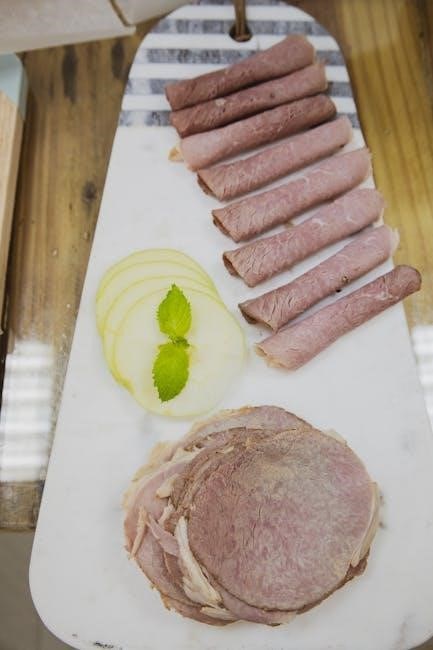
Where to Buy a Manual Deli Slicer
Manual deli slicers are readily available from online retailers and restaurant supply stores, offering diverse options to suit various budgets and requirements.
Online Retailers
Numerous online retailers specialize in kitchen equipment and offer a wide selection of manual deli slicers. Major platforms like Amazon, eBay, and specialized culinary stores frequently feature various models, brands, and price points. Comparing options online allows for easy price comparison and reading customer reviews before purchasing.
Be sure to check shipping costs and return policies when buying from online sources to ensure a smooth transaction and satisfaction with your new slicer.
Restaurant Supply Stores
Restaurant supply stores are excellent sources for manual deli slicers, often carrying more robust, commercial-grade models suitable for frequent use. These stores typically offer a wider range of options than general retailers, with knowledgeable staff who can provide expert advice.
While potentially more expensive, the quality and durability found in restaurant-grade slicers can be a worthwhile investment for serious home cooks.
Advanced Slicing Tips
For best results, avoid slicing frozen meat as ice crystals damage blades; instead, focus on achieving varied slice styles like delicate, shaved cuts.
Slicing Frozen Meat (Avoid!)
Never attempt to slice frozen meat with a manual deli slicer. The ice crystals within frozen meat will severely damage the slicer’s blade over time, dulling it quickly and potentially causing irreparable harm. This leads to inconsistent slices and requires frequent, costly blade replacements. Always ensure your meat is fully thawed before slicing to maintain blade integrity and achieve optimal slicing performance. Using a meat grinder is preferable for frozen meat.
Creating Different Slice Styles (e.g., Shaved)
Manual deli slicers allow for versatility beyond standard slices. Adjusting the slice thickness knob to its thinnest setting enables you to create “shaved” meats and cheeses, perfect for salads or Italian subs. Experiment with slight pressure variations during slicing to achieve desired textures. Consistent practice is key to mastering different slice styles and enhancing your culinary creations with a professional touch.



0 Comments