Umbrella Size Guide: A Comprehensive Overview (Updated March 31, 2026)
Navigating the world of umbrellas requires understanding measurements and selecting the right size for your needs. This guide details crucial factors,
from canopy diameter to patio umbrella considerations, ensuring optimal shade and protection.
Proper sizing guarantees both functionality and durability, whether for personal use or larger outdoor spaces. Explore our detailed overview to make an informed decision.
Understanding Umbrella Measurements
Accurate umbrella measurement is fundamental to selecting the perfect shield from the elements. Two primary factors dictate an umbrella’s size: canopy diameter and arc size. Canopy diameter, measured across the widest point of the open umbrella, directly correlates to the coverage area provided. This is the most commonly cited measurement when comparing umbrellas.
However, arc size – the radius from the umbrella’s center to the canopy edge – offers a different perspective. While related, arc size isn’t the same as diameter; the diameter is always twice the arc size. Understanding this distinction is crucial, especially when comparing umbrellas with varying rib constructions. Manufacturers often utilize both measurements, so familiarity with both ensures informed purchasing decisions.
Correctly measuring an umbrella involves extending it fully and using a tape measure to determine the canopy’s width. This simple step empowers consumers to assess suitability for individual needs and spatial requirements, guaranteeing optimal protection and satisfaction.
Key Factors in Determining Umbrella Size
Several critical factors influence the ideal umbrella size, extending beyond simple diameter measurements. Intended use is paramount; a compact travel umbrella prioritizes portability, while a golf umbrella demands extensive coverage. The number of users also dictates size – a single person requires less canopy area than a family.
Environmental considerations are equally important. Windy conditions necessitate robust construction and potentially a smaller canopy to minimize stress on the frame. For patio umbrellas, table size is a key determinant, ensuring adequate shade without obstructing movement.
Personal preference plays a role, with some individuals favoring maximum coverage regardless of portability. Ultimately, balancing these factors – use case, user count, weather conditions, and personal needs – leads to selecting an umbrella perfectly suited to its intended purpose, providing reliable protection and convenience.
Canopy Diameter: The Primary Measurement
Canopy diameter represents the most fundamental measurement when assessing umbrella size, defining the circular area of fabric providing shelter. Measured across the widest point of the open umbrella, this dimension directly correlates to the coverage area. Larger diameters offer broader protection from rain and sun, accommodating more individuals comfortably.

Standard canopy diameters range significantly, from compact travel umbrellas around 36 inches to expansive golf umbrellas exceeding 60 inches. Patio umbrellas often fall between 9 to 12 feet (108-144 inches) depending on the table they’re designed to shade.
Understanding canopy diameter is crucial for visualizing the umbrella’s protective reach. It’s a straightforward metric for comparing different models and ensuring the chosen umbrella adequately meets your specific needs, whether for individual use or group coverage in outdoor settings.
Arc Size vs. Canopy Size: What’s the Difference?
While often used interchangeably, arc size and canopy size are distinct measurements for umbrellas. Arc size refers to the radius of the umbrella when open, measured from the handle to the tip of one canopy section – essentially, half the umbrella’s diameter. Canopy size, as previously discussed, is the full diameter across the open umbrella.
Manufacturers frequently advertise arc size, which can be misleading if you’re seeking actual coverage. A larger arc size doesn’t automatically equate to a larger canopy. The shape and number of canopy panels influence the final canopy diameter.
Focusing on canopy diameter provides a more accurate understanding of the shaded area. Always prioritize canopy diameter when comparing umbrellas, as it directly reflects the protective coverage offered. Understanding this distinction ensures you select an umbrella that truly meets your needs, avoiding confusion caused by arc size specifications.

Standard Umbrella Sizes and Their Uses
Umbrellas come in a variety of sizes, each suited for different purposes. Understanding these categories helps in selecting the ideal umbrella for your needs. Compact/Travel umbrellas, typically under 36 inches, prioritize portability and convenience, perfect for daily commutes or travel. They offer limited coverage but are easily storable.
Standard Stick Umbrellas, ranging from 36 to 48 inches, provide a balance between coverage and portability. These are suitable for everyday use, offering reliable protection from the rain. Golf Umbrellas, significantly larger at 60-68 inches, are designed to shield golfers and their equipment, providing ample coverage for multiple people.
Choosing the right size depends on your primary use case. Consider whether you need a lightweight, portable option or a larger umbrella for broader protection. Each size offers unique advantages, catering to diverse needs and preferences;
Compact/Travel Umbrellas (Under 36 inches)
Compact and travel umbrellas are designed with portability as a primary feature, typically measuring under 36 inches when closed. These umbrellas are ideal for commuters, travelers, and anyone needing a lightweight, easily storable rain protection solution. Despite their smaller size, many modern compact umbrellas offer surprisingly robust canopies.
They often feature automatic open/close mechanisms for added convenience, allowing for quick deployment and retraction. While they provide less coverage than larger umbrellas, they are perfectly adequate for shielding one person from light to moderate rain.
Look for models with reinforced frames to withstand wind gusts, as smaller umbrellas can be more susceptible to inversion. These are a practical choice when space and weight are critical considerations, offering reliable protection on the go.
Standard Stick Umbrellas (36-48 inches)
Standard stick umbrellas represent a classic and versatile choice for everyday rain protection, generally falling within the 36 to 48-inch range. These umbrellas strike a balance between portability and coverage, offering ample shelter for a single user without being overly bulky. The “stick” design refers to the straight, single-piece shaft, often made of wood, metal, or fiberglass.
They are known for their durability and traditional aesthetic, often featuring a manual opening and closing mechanism. Standard stick umbrellas are suitable for a wide range of weather conditions, providing reliable protection against both rain and moderate wind.
Consider the canopy material for enhanced water repellency and wind resistance. These umbrellas are a dependable option for daily use, offering a blend of functionality, style, and longevity.
Golf Umbrellas (60-68 inches)

Golf umbrellas are designed for maximum coverage on the course, typically ranging from 60 to 68 inches in diameter. Their substantial size comfortably shelters golfers and their equipment from rain and sun, providing a dry and comfortable playing experience. These umbrellas are built for durability, often featuring robust frames and wind-resistant canopies.
The larger canopy offers superior protection compared to standard umbrellas, accommodating multiple people if needed. Many golf umbrellas include features like vented canopies to withstand strong winds and ergonomic handles for a secure grip.
Beyond the golf course, they are excellent for sporting events, beach outings, or any situation requiring extensive shade or rain protection. Investing in a quality golf umbrella ensures reliable performance and long-lasting use.
Patio Umbrella Size Guide
Selecting the right patio umbrella size is crucial for creating a comfortable and shaded outdoor space. Proper sizing ensures adequate coverage for your dining or seating area, enhancing enjoyment and protection from the elements. Determining the appropriate size depends largely on the dimensions of your patio table and the desired level of shade.

Generally, a good rule of thumb is to allow for at least 2 feet of shade extending beyond the table’s edge on all sides. This provides ample coverage for diners or guests. Consider the sun’s path throughout the day when positioning the umbrella for optimal shade.
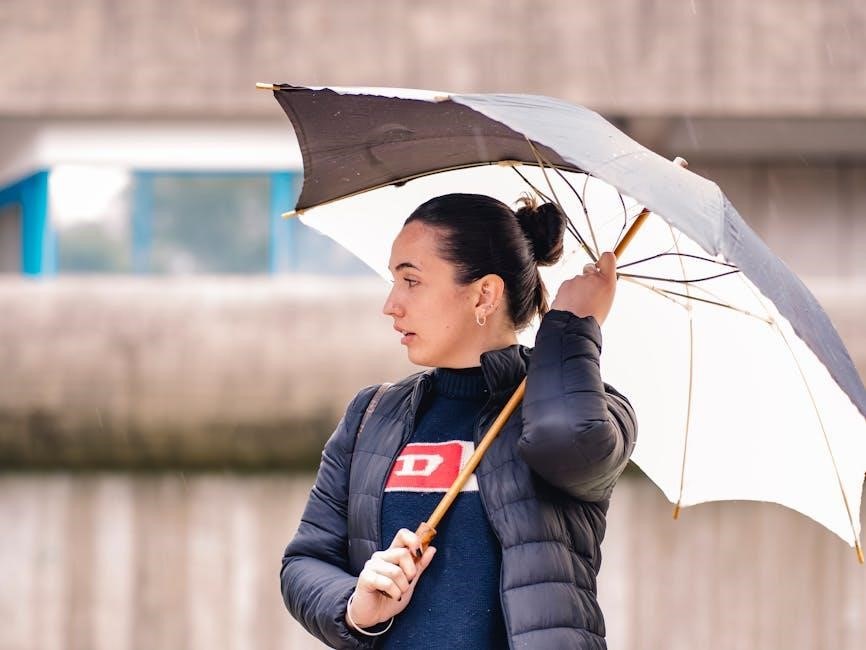
Beyond table size, factors like the umbrella’s shape (round, square, or rectangular) and whether it’s a traditional or offset/cantilever style also influence size selection. Careful planning ensures a functional and aesthetically pleasing outdoor setup.
Determining Patio Umbrella Size Based on Table Size
Matching your patio umbrella size to your table is fundamental for optimal shade and comfort. A general guideline suggests a minimum of 2 feet of overhang beyond the table’s edge on all sides, ensuring sufficient coverage for seated individuals. For a round table, measure the diameter and add at least 4 feet to determine the ideal umbrella diameter.
Square or rectangular tables require a bit more calculation. Add at least 2 feet to both the length and width of the table to establish the minimum umbrella size. Larger gatherings or extended dining setups may benefit from even greater overhang for enhanced shade.
Consider the table’s function; a dining table necessitates more coverage than a small bistro set. Always prioritize sufficient shade to prevent discomfort from direct sunlight, creating a more enjoyable outdoor experience.
Offset/Cantilever Umbrellas: Size Considerations
Offset or cantilever umbrellas offer unique shading solutions, demanding specific size considerations. Unlike traditional center-pole umbrellas, these feature a side-mounted pole, allowing for greater flexibility in placement and coverage. When selecting an offset umbrella, prioritize the area you wish to shade, not just the table size.
Due to their off-center design, cantilever umbrellas often require a larger canopy diameter than standard umbrellas to achieve comparable shade. Account for the pole’s positioning and the angle of the sun throughout the day. A larger canopy ensures consistent shade as the sun moves.
Wind resistance is also crucial with cantilever umbrellas; a heavier base and robust construction are essential. Consider the prevailing wind direction in your area when positioning the umbrella for optimal stability and longevity.
Umbrella Height and Adjustability
Umbrella height significantly impacts usability and comfort. A properly positioned umbrella provides optimal shade without obstructing movement or views. Consider the typical height of individuals using the umbrella when determining the ideal height setting.
Adjustability is a key feature, allowing you to adapt the umbrella’s position as the sun moves throughout the day. Many umbrellas offer multiple height settings or tilt functions, maximizing shade coverage and minimizing glare. Look for umbrellas with easy-to-use adjustment mechanisms.
For taller individuals or specific shading needs, a higher umbrella may be preferable. Conversely, a lower setting can be beneficial in windy conditions to reduce stress on the frame. Prioritize umbrellas with a secure locking mechanism to prevent accidental adjustments.
Choosing the Right Umbrella for Wind Resistance
Wind resistance is a critical factor, especially in exposed locations. Selecting an umbrella designed to withstand strong gusts prevents damage and ensures long-lasting performance. Key features to consider include the frame material, canopy construction, and venting system.
Fiberglass frames offer superior flexibility and durability compared to traditional metal frames, bending rather than breaking in high winds. Canopies with vents allow wind to pass through, reducing uplift and preventing inversion. Look for double-canopy umbrellas for enhanced wind resistance.
Umbrella size also plays a role; larger umbrellas are more susceptible to wind damage. Prioritize quality construction and robust materials over sheer size when wind is a concern. Regularly inspect your umbrella for any signs of wear or damage, and avoid using it in extreme weather conditions.
Materials and Their Impact on Size & Weight
The materials used in an umbrella’s construction significantly influence its overall size and weight. Canopy fabrics range from lightweight polyester to more durable nylon and even specialized water-repellent coatings. Frame materials commonly include steel, aluminum, and fiberglass, each offering different strength-to-weight ratios.

Steel frames provide robust support but add considerable weight, making them less portable. Aluminum offers a lighter alternative with good strength, ideal for standard umbrellas. Fiberglass is exceptionally lightweight and flexible, commonly used in travel and wind-resistant models.
The handle material – wood, plastic, or rubber – also contributes to the overall weight. Choosing the right material balance is crucial; a lighter umbrella is easier to carry, while a heavier one may offer greater stability and durability.
Measuring Your Space for an Umbrella
Accurately measuring your intended umbrella location is paramount for optimal functionality and safety. For patio umbrellas, consider the area you wish to shade, including seating and walking space. Ensure sufficient clearance around the umbrella base to prevent obstructions and allow for easy maneuvering.
Measure the diameter of your patio table to determine the appropriate umbrella size – a general rule is to allow at least 2-3 feet of shade beyond the table’s edge on all sides. For freestanding umbrellas, assess the available open space, accounting for potential wind gusts and pedestrian traffic.
Consider the height of the space; low-hanging obstructions may necessitate a tiltable umbrella or a shorter model. Visualize the umbrella’s open canopy to ensure it doesn’t interfere with doorways, windows, or other features.
Umbrella Size Charts: Quick Reference
Below are simplified charts to quickly determine the ideal umbrella size based on common applications. These charts offer a general guideline; individual needs may vary depending on specific circumstances and preferences.
Compact/Travel Umbrellas: Canopy Diameter (25-36 inches) – Ideal for individual use, backpacks, and portability. Standard Stick Umbrellas: Canopy Diameter (36-48 inches) – Suitable for everyday use, offering reliable protection for one or two people.
Golf Umbrellas: Canopy Diameter (60-68 inches) – Designed for golfers, providing ample coverage for players and equipment. Patio Umbrellas (Round): Table Diameter (48 inches) – Umbrella Diameter (9 feet); Table Diameter (60 inches) – Umbrella Diameter (11 feet). Patio Umbrellas (Square/Rectangular): Consult specific size guides based on table dimensions.
Remember to always prioritize sufficient coverage and consider wind resistance when selecting an umbrella size.

Where to Find Umbrella Size Information (Manufacturers & Retailers)
Reliable umbrella size information is readily available from both manufacturers and retailers. Many manufacturers provide detailed specifications on their websites, including canopy diameter, arc size, and overall dimensions. Look for dedicated product pages with comprehensive details.
Retailers like Barbeques Galore offer online size guides specifically for patio umbrellas, assisting customers in selecting the appropriate size based on table dimensions. Pinterest also serves as a visual resource, showcasing various umbrella sizes and applications.
Don’t hesitate to contact customer support for clarification. Most companies offer assistance via phone, email, or live chat. Checking owner’s manuals can also reveal specific sizing details. Prioritize sources that provide clear, measurable data for informed purchasing decisions.
Frequently Asked Questions About Umbrella Sizes
What umbrella size is best for a standard patio table? Generally, a 9-foot umbrella suits a round table seating four, while larger tables require 11-13 foot options.
How does arc size differ from canopy diameter? Arc size measures the curved length of the umbrella ribs, while canopy diameter represents the actual width of the open umbrella. Canopy diameter is the more practical measurement for determining coverage.

Are compact umbrellas sufficient for heavy rain? While convenient, compact umbrellas offer limited coverage. Standard stick or golf umbrellas provide superior protection in inclement weather. Can I use online gift cards for umbrella purchases? Note that in-store gift cards often aren’t valid for online transactions.




0 Comments