Understanding Chicken Poop: A Comprehensive Guide
Chicken poop charts, often available as PDFs, visually aid in identifying healthy versus concerning droppings, offering a quick reference for flock owners.
What is a Chicken Poop Chart and Why Use One?
A chicken poop chart, frequently found as a downloadable PDF, is a visual guide designed to help poultry keepers assess the health of their flock. These charts present images of various droppings – differing in color, consistency, and components – alongside explanations of what each appearance signifies.
Why utilize one? Early detection of health issues is crucial, and a poop chart empowers owners to quickly identify abnormalities like diarrhea, blood, or unusual colors. This allows for prompt intervention, potentially preventing widespread illness. PDF versions offer portability and easy access for reference in the coop. They act as a valuable diagnostic tool, bridging the gap until veterinary assistance is available, and are especially helpful for new chicken owners learning to interpret these vital signs.
Components of Normal Chicken Droppings
Chicken poop chart PDFs detail three key parts: urates (white), fecal matter (brown), and cecal droppings, each indicating digestive health.
Urates: The White Part
Chicken poop chart PDFs explain that the white portion of chicken droppings is urate, the semi-solid excretion of uric acid – how birds eliminate nitrogenous waste. Healthy urates should be fairly consistent in texture, resembling slightly chalky paste. Variations in color, as depicted in detailed charts, can signal issues.
Pale or excessive amounts of urates suggest increased water intake or potential kidney problems, while pinkish or reddish tinges can indicate internal bleeding or kidney distress. A PDF guide will visually demonstrate these differences. Normal urates are not hard and crystalline; that suggests dehydration. Observing urate consistency, alongside fecal and cecal components, provides a holistic view of a chicken’s health, as highlighted in comprehensive poop chart resources.
Cecal Droppings: Identifying Normal Variations
Chicken poop chart PDFs emphasize that cecal droppings are a normal part of a chicken’s digestive process, originating from the cecum – a pouch aiding in fiber digestion. These droppings appear differently than fecal matter, often being pasty, brownish, or even mucus-covered. A PDF guide illustrates the range of normal appearances.
Frequency varies; some hens produce them daily, others less often. Charts clarify that occasional cecal droppings are not a cause for alarm. However, a sudden increase in frequency, or a change in consistency to very watery or bloody, warrants investigation. PDF resources often show images comparing normal and abnormal cecal droppings, helping owners differentiate between routine elimination and potential health concerns. Observing these variations, as detailed in a chart, is key.
Fecal Matter: Color and Consistency
A chicken poop chart PDF details that healthy fecal matter should be firm and somewhat formed, exhibiting shades of brown, tan, or even green – the latter often linked to a diet rich in vegetation. Consistency is crucial; droppings shouldn’t be excessively watery or hard. Charts visually demonstrate the expected range.
PDF guides highlight that variations in color can indicate dietary changes. For example, consuming dark leafy greens can deepen the color. However, significant deviations from the norm, like persistent black or red coloration, are flagged as potential warning signs. The chart emphasizes assessing both color and texture; a sudden shift in either demands closer observation and potentially veterinary consultation. Understanding these nuances, as presented in a PDF, is vital for flock health.
Decoding Chicken Poop Colors
A chicken poop chart PDF is essential for understanding color variations, as shades can signal dietary influences or underlying health concerns within the flock.
Brown Chicken Poop: Generally Healthy
Brown chicken poop is typically considered a sign of a healthy digestive system, and a chicken poop chart PDF will often highlight this as a normal finding. Variations in the shade of brown are common and often linked to the hen’s diet – darker browns suggest a higher intake of plant matter.
However, a PDF chart will also emphasize the importance of observing the entire dropping. Look for the characteristic components: fecal matter, urates (white), and potentially cecal matter. Consistent, well-formed brown droppings, alongside these components, generally indicate good health.
The chart can help differentiate between normal brown variations and potentially concerning shades, guiding owners to monitor for changes. Remember, context is key; a single brown dropping isn’t necessarily indicative of anything, but consistent observation is crucial.
Green Chicken Poop: Diet and Health Indicators

Green chicken poop, as illustrated in a chicken poop chart PDF, is often linked to dietary habits, particularly a high consumption of greens, weeds, or grasses. This is generally not a cause for alarm, and the chart will often categorize it as a normal variation.
However, a PDF guide will also caution owners to consider other factors. Persistent or excessively bright green droppings can indicate potential health issues, such as digestive upset or even parasitic infections. The chart aids in differentiating between dietary-induced greenness and potentially problematic shades.
Careful observation, alongside the visual guide, is essential. If green droppings are accompanied by other symptoms – lethargy, loss of appetite – consulting a veterinarian is recommended. The chart serves as a starting point for assessment.
Yellow Chicken Poop: Potential Issues
A chicken poop chart PDF typically flags yellow droppings as a sign warranting closer inspection. While not always critical, yellow coloration often suggests issues with the digestive system or bile production. The chart visually demonstrates the difference between normal and concerning shades of yellow.

According to PDF guides, potential causes include a diet too rich in corn or other yellow-pigmented foods, but more seriously, it could indicate liver problems or a blockage in the bile duct. The chart emphasizes observing the overall consistency – watery yellow droppings are particularly concerning.
Owners should monitor for accompanying symptoms like lethargy or decreased egg production. A detailed chart will help differentiate between dietary causes and potential illness, guiding owners toward appropriate action.
Black Chicken Poop: Causes and Concerns
A chicken poop chart PDF highlights black droppings as a potentially serious sign, demanding immediate attention. While consuming dark berries or greens can cause temporary discoloration, consistently black poop often indicates digested blood within the digestive tract.
These PDF guides detail that black coloration suggests bleeding in the upper digestive system, potentially caused by ulcers, internal parasites, or even poisoning. The chart visually contrasts black droppings with normal fecal matter, aiding in accurate identification.
Owners should isolate the affected bird and consult a veterinarian promptly. The chart stresses the importance of observing for other symptoms like weakness, pale combs, or reduced appetite, as these indicate a severe health issue.
Red Chicken Poop: A Sign of Alarm

A chicken poop chart PDF unequivocally identifies red coloration in droppings as a critical warning sign, demanding immediate veterinary attention. Unlike darker shades, red typically signifies fresh blood in the lower digestive tract, often the cloaca or vent.
These visual guides emphasize differentiating between bright red blood (indicating a recent issue) and digested blood (appearing black). The chart illustrates various shades of red, helping owners accurately assess the severity. Potential causes include vent prolapse, trauma, or severe intestinal inflammation.
The PDF stresses isolating the affected bird and preventing flock contamination. Prompt diagnosis and treatment are crucial, as internal bleeding can quickly become life-threatening. Observing for additional symptoms like straining or lethargy is vital.
Abnormal Chicken Poop: Warning Signs
A chicken poop chart PDF highlights deviations from normal, like unusual colors, consistency changes, or the presence of blood or worms, as key warning indicators.
Watery or Diarrheal Poop: Dehydration and Illness
A chicken poop chart PDF clearly illustrates watery or diarrheal droppings as a significant red flag, often signaling dehydration or underlying illness within the flock. These droppings lack the typical solid fecal matter and urate components, appearing excessively liquid and potentially spraying.
Such a condition can rapidly lead to dehydration, especially in younger chicks, and may indicate bacterial, viral, or parasitic infections like coccidiosis. The chart aids in differentiating between a temporary dietary upset and a more serious health concern. Observing the color and presence of blood within the watery stool, as depicted in the PDF, is crucial for accurate assessment and prompt veterinary intervention. Consistent monitoring using the chart helps track the severity and duration of the issue.
Bloody Poop: Internal Bleeding
A chicken poop chart PDF emphasizes that the presence of blood in droppings is a critical warning sign, strongly suggesting internal bleeding or significant intestinal distress. The chart visually demonstrates varying degrees of blood – bright red indicating upper intestinal issues, and darker, digested blood suggesting problems further down the digestive tract.
Causes can range from parasitic infections (worms) to injuries, or even more serious conditions like tumors. The PDF guides owners to assess the amount of blood and accompanying symptoms. Immediate isolation of the affected bird and veterinary consultation are vital. The chart stresses that bloody poop isn’t always visible; sometimes it appears as a tarry, black fecal matter. Careful observation and comparison with the chart’s images are essential for accurate diagnosis and treatment.
Poop with Worms: Parasitic Infections
A detailed chicken poop chart PDF illustrates how to identify worms within droppings, a clear indicator of parasitic infection. The chart showcases various worm types – roundworms, tapeworms, and cecal worms – each presenting differently in the feces. Often, owners will observe whole or segmented worms, resembling rice grains or small threads.
The PDF emphasizes that worm infestations can cause weight loss, reduced egg production, and overall poor health. It guides owners to collect fresh droppings for examination, comparing findings to the chart’s visual examples. Deworming treatments are usually necessary, and the chart may suggest appropriate medications. Regular fecal exams, aided by the chart as a reference, are crucial for preventative flock management and maintaining a healthy, worm-free environment.
Common Chicken Diseases Indicated by Poop Changes
A chicken poop chart PDF is invaluable for linking droppings’ alterations – color, consistency – to diseases like coccidiosis, worms, or blackhead.
Coccidiosis: Identifying Symptoms in Droppings

Coccidiosis, a parasitic disease, often dramatically alters chicken droppings, making a chicken poop chart PDF essential for early detection. Healthy droppings typically show distinct components, but coccidiosis introduces alarming changes; A key indicator is blood in the poop, ranging from pinpoint red spots to fully bloody droppings.
PDF charts illustrate this vividly, contrasting normal droppings with those affected by coccidiosis. You might also observe a mucus-like consistency or a generally watery appearance. The chart helps differentiate coccidiosis from other causes of bloody poop, like internal injuries. Furthermore, a chart can show the varying stages of infection, from mild spotting to severe hemorrhaging, aiding in assessing the urgency of treatment. Early identification, guided by a visual chart, significantly improves treatment success rates and minimizes flock losses.
Worm Infestations: Types and Poop Indicators
Chicken poop chart PDFs are invaluable for identifying worm infestations, as different worms manifest uniquely in droppings. Several types, like roundworms, cecal worms, and tapeworms, affect chickens, each leaving distinct clues. A chart visually demonstrates these differences. Roundworm infestations often cause pale, yellowish poop, while cecal worms result in a brownish, pasty discharge.
Tapeworms are often visible in the poop – resembling grains of rice. The PDF chart provides clear images for comparison. Beyond visual cues, weight loss and decreased egg production often accompany worm infestations. A detailed chart helps differentiate worm-related changes from those caused by dietary factors or other illnesses. Regular observation, aided by a chart, allows for prompt deworming, protecting flock health and productivity.
Blackhead Disease: Recognizing the Signs
A chicken poop chart PDF is crucial for early detection of Blackhead disease, a serious parasitic illness. The chart illustrates how affected chickens exhibit distinctive droppings – often a dark, tarry black or very dark green color, indicating digested blood. This differs significantly from normal dark poop caused by diet.
Beyond poop color, the chart highlights other symptoms: lethargy, loss of appetite, and a sulfur-colored head (hence the name). The PDF provides comparative images of healthy versus diseased droppings. Early intervention is vital, and a chart aids accurate diagnosis. It’s important to note that Blackhead is often fatal if left untreated, making visual identification, supported by a chart, a critical skill for poultry keepers. Prompt veterinary attention is always recommended.

Using a Chicken Poop Chart PDF
Chicken poop chart PDFs offer a convenient, visual guide for assessing flock health, detailing normal and abnormal droppings for quick identification.
Finding Reliable Chicken Poop Chart PDFs Online
Locating trustworthy chicken poop chart PDFs requires careful consideration, as information quality varies significantly online. University extension websites, such as those from agricultural colleges, are excellent starting points, offering research-backed resources.
Reputable poultry associations and veterinary clinics often provide downloadable charts as part of their educational materials. Search terms like “chicken droppings chart PDF,” “poultry health guide,” or “chicken poop guide” can yield results, but always verify the source’s credibility.
Avoid charts from unknown or unverified websites. Look for charts that include clear images, detailed descriptions of different droppings, and information on potential health concerns. A good PDF will differentiate between normal variations and signs of illness, aiding in early detection of problems within your flock.
Interpreting Visual Guides on the Chart
Chicken poop charts, particularly PDF versions, utilize visual comparisons to aid diagnosis. Begin by identifying the primary components: urates (white), fecal matter (brown), and cecal matter (varying colors).
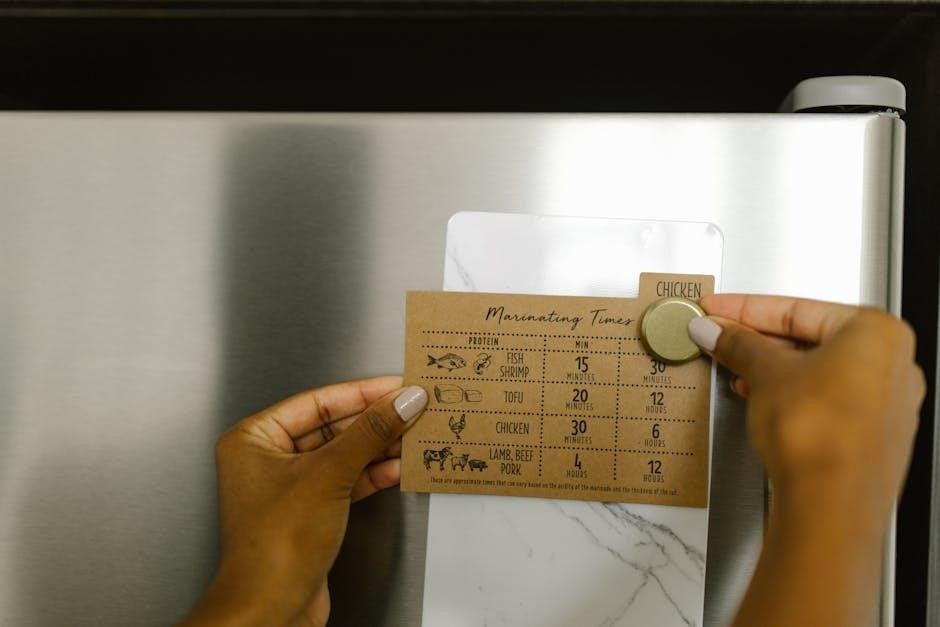
Pay close attention to color variations; charts illustrate how shades of green, yellow, black, or red can indicate dietary issues or disease. Note the consistency – watery, diarrhea-like droppings signal dehydration or illness.
Observe for abnormalities like blood, worms, or unusual textures. Charts often depict examples of droppings associated with specific conditions like coccidiosis or worm infestations. Compare your chicken’s droppings to the images provided, considering all components and characteristics for an accurate assessment. Remember, charts are guides, and veterinary consultation is crucial for definitive diagnoses.
Preventative Measures for Healthy Chicken Poop
Utilizing a chicken poop chart PDF alongside proactive health management—diet, coop cleanliness, and regular checks—supports optimal flock well-being.
Proper Diet and Nutrition
Proper nutrition is foundational for healthy chicken droppings, and a chicken poop chart PDF becomes invaluable when assessing dietary impacts. A balanced diet, featuring quality feed supplemented with greens, ensures optimal digestion and consistent fecal output.
Variations in poop color, particularly greens, often indicate a diet rich in vegetation, generally a positive sign. However, sudden changes warrant investigation using the chart. Avoid moldy or spoiled feed, as this can disrupt gut health and lead to abnormal droppings.

Consistent access to grit aids digestion, impacting poop consistency. Observing droppings in relation to dietary adjustments, guided by a PDF chart, allows for proactive nutritional management and early detection of potential issues.
Maintaining a Clean Coop Environment
A hygienic coop is crucial for preventing illness and maintaining healthy chicken droppings; a chicken poop chart PDF aids in recognizing when cleanliness is compromised. Regularly removing soiled bedding minimizes bacterial and parasitic loads, directly impacting poop quality.
Damp conditions foster pathogen growth, leading to digestive upset and abnormal droppings – the chart helps identify these changes. Proper ventilation reduces ammonia buildup, improving respiratory and gut health.
Consistent cleaning allows for easier observation of poop variations, facilitating early detection of health concerns using the PDF guide. A clean environment, coupled with diligent poop monitoring, is essential for a thriving flock and proactive health management.
Regular Health Checks
Consistent observation of your flock, combined with utilizing a chicken poop chart PDF, is paramount for early disease detection. Routine checks allow you to establish a baseline for each bird’s normal poop appearance, making deviations more noticeable.
Palpate the vent area for signs of prolapse or irritation, and observe birds for lethargy, changes in appetite, or unusual behavior – all potential indicators linked to poop abnormalities.
A PDF chart serves as a valuable tool during these checks, helping you correlate poop characteristics with potential health issues. Proactive monitoring, alongside the chart, empowers you to address problems swiftly, improving treatment outcomes and overall flock wellbeing.



0 Comments